Can Myopia Be Slowed? Effective Myopia Control Treatments Explained
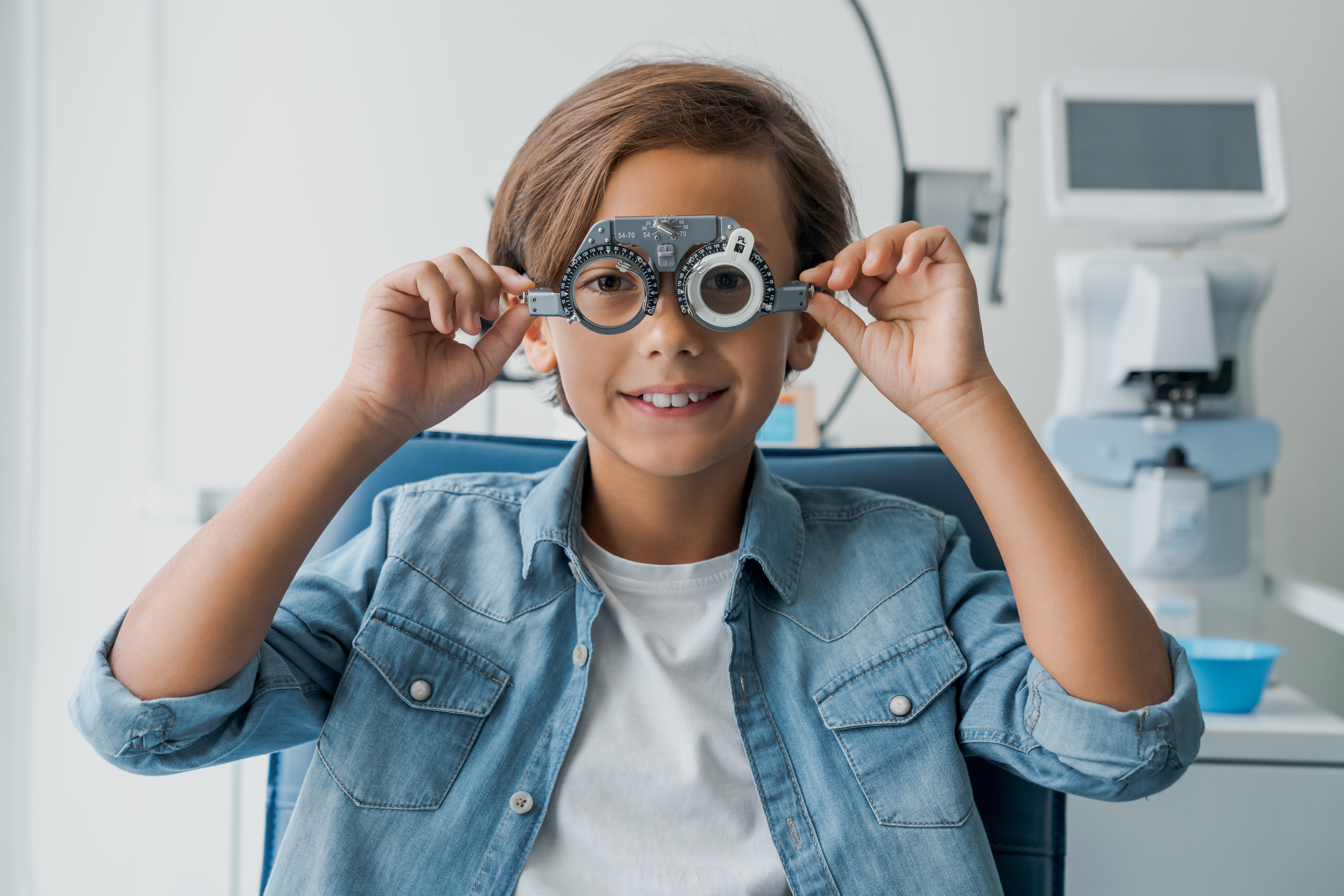
If your child has been diagnosed with nearsightedness, you have probably heard the standard advice: glasses will help them see clearly. But you may also wonder if anything can actually slow down the progression. The answer is yes. Myopia can be slowed, and the earlier you start, the better. Here is what you need to know about the treatments that work.
Why Slowing Myopia Matters
Myopia is not just about needing thicker glasses over time. Higher myopia increases the risk of serious eye problems later, like retinal detachment and glaucoma. Slowing the progression in childhood means your child ends up with a lower prescription as an adult. That means better long-term eye health, not just better vision today.
How Do These Treatments Work?
Standard glasses correct vision but do nothing to slow eye growth. Myopia control treatments work by creating something called “peripheral defocus.” This means light is focused differently in the side vision, which signals the eye to stop growing too long. Slower eye growth means slower myopia progression.
The Main Treatment Options
- Specialized Glasses
These look like regular glasses but have special lens designs. DIMS and HAL lenses are two well-researched options. Both create peripheral defocus while giving clear central vision. Studies show they can slow myopia progression significantly. Glasses are often the first choice for younger children because they are simple, safe, and easy to adapt to.
- Soft Contact Lenses
MiSight lenses are daily disposables with a dual-focus design. One part corrects vision, and the other delivers the defocus signal to slow eye growth. Research shows they are highly effective at slowing both prescription changes and eye elongation. Older children and teens often prefer contacts because they offer freedom from glasses, especially for sports and activities.
- Atropine Eye Drops
Low-dose atropine eye drops, typically 0.05% or 0.01%, effectively slow myopia progression. Scientists are still learning exactly how they work, but the proof is solid. These drops do not correct vision, so your child will still need glasses or contacts. Some children become sensitive to light, though lower doses help with that.
- Light Therapy
A newer option is repeated low-level red-light therapy. This involves looking into a special device that emits red light for a few minutes twice a day. Studies show it can significantly slow myopia progression. It is still newer than other options, but for families looking for a non-lens option, it is worth discussing with your eye doctor.
Which Treatment Is Best?
There is no single best option for every child. The right choice depends on age, prescription, lifestyle, and how well your child tolerates different treatments. What matters most is consistency. Treatments only work if they are used as directed. Glasses and contacts must be worn the recommended hours each day. Atropine drops need to be used daily.
Myopia control is not a cure, but it is the closest thing we have to protecting your child’s long-term vision. Starting early and sticking with treatment makes a real difference. Every diopter of myopia you prevent now is a reduction in their future risk of serious eye disease. That is a gift that lasts a lifetime.
For more effective myopia control treatments, visit Gaze Optometry. Our office is in Gilbert, Arizona. Call (480) 366-3963 to schedule an appointment today.
https://pmc.ncbi.nlm.nih.gov/articles/PMC10076805/
https://www.mykidsvision.org/knowledge-centre/which-is-the-best-option-for-myopia-control
Helpful Articles
article_category: products
article_category: psychiatry
article_category: faqs
article_category: cats
article_category: general
article_category: services
article_category: technology
article_category: dogs
article_category: restorative
article_category: vision therapy
article_category: contact lenses
article_category: health
article_category: conditions
article_category: eye surgery co-management
article_category: exotic
article_category: cosmetic
article_category: surgical procedures
article_category: aesthetics
article_category: preventative
article_category: ocular disease management
article_category: eyeglasses
article_category: eye health
article_category: large animal
[]
article_category: psychiatry
article_category: faqs
article_category: cats
article_category: general
article_category: services
article_category: technology
article_category: dogs
article_category: restorative
article_category: vision therapy
article_category: contact lenses
article_category: health
article_category: conditions
article_category: eye surgery co-management
article_category: exotic
article_category: cosmetic
article_category: surgical procedures
article_category: aesthetics
article_category: preventative
article_category: ocular disease management
article_category: eyeglasses
article_category: eye health
article_category: large animal
[]
Flowbite is an open-source library of interactive components built on top of Tailwind CSS including buttons, dropdowns, modals, navbars, and more.
Check out this guide to learn how to get started and start developing websites even faster with components on top of Tailwind CSS.
All Eye Care Services
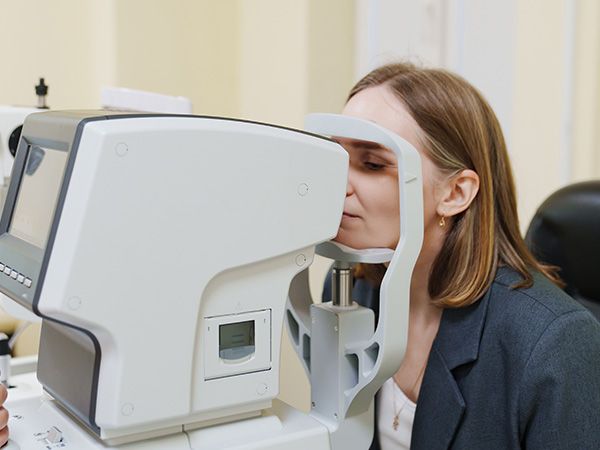
Find personalized eye care excellence with our comprehensive services. From eye exams to advanced diagnostics, trust us for all your vision needs.

Keep In Touch
For non-urgent questions or to learn more about our services, contact us today!
© 2026 Gaze Optometry. All rights Reserved - Accessibility Statement - Privacy Policy - Sitemap
Managed and Designed by 