Is Your Child’s Prescription Skyrocketing Every Year? Understanding Rapid Myopia Progression in Gilbert Students
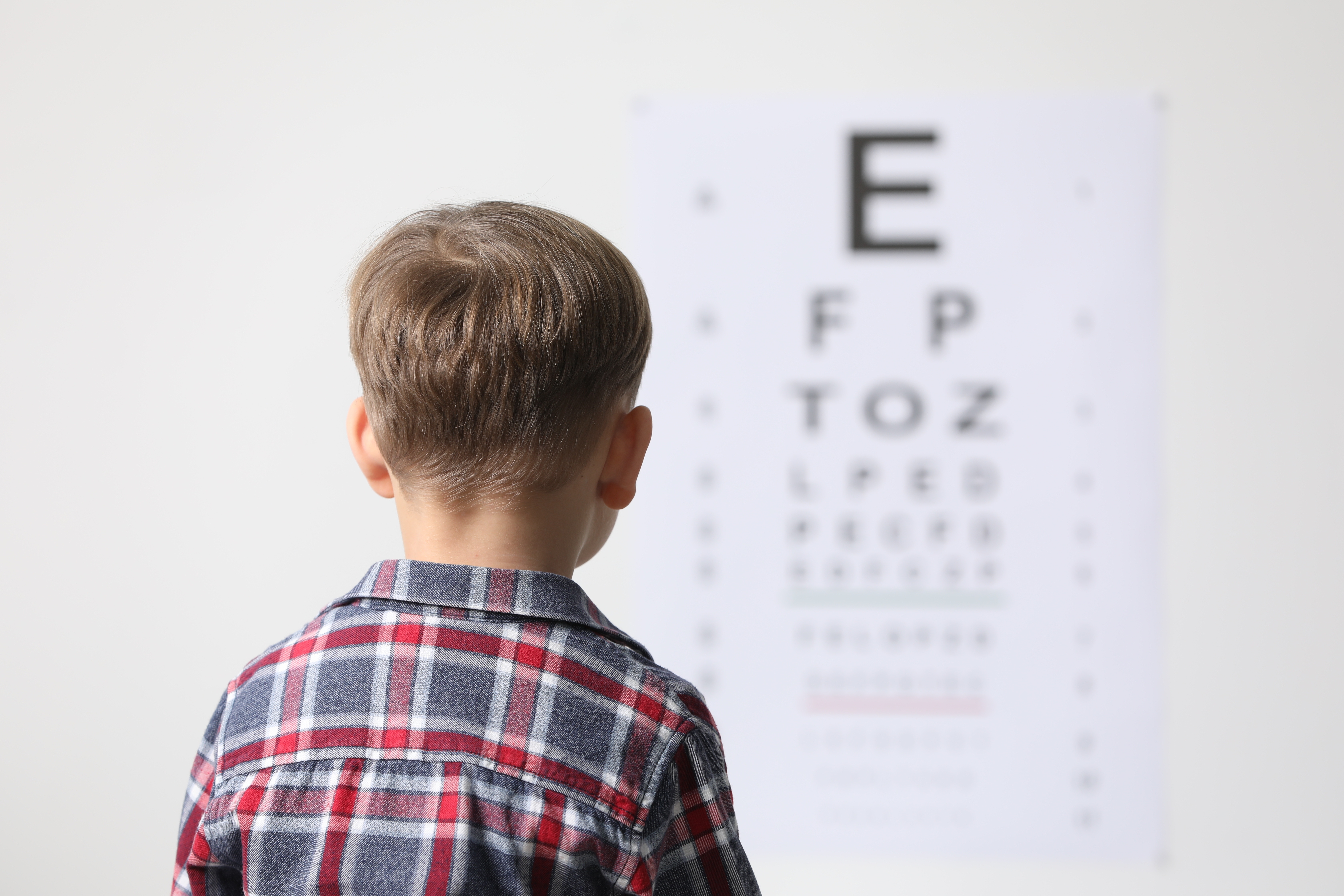
If your child seems to need stronger glasses every year, it may be more than a routine prescription change. Myopia, or nearsightedness, often begins during childhood and can continue progressing as the eyes grow. At Gaze Optometry in Gilbert, AZ, we provide pediatric eye exams and myopia management to help parents understand how quickly their child’s vision is changing and whether treatment may help slow that progression. Myopia occurs when the eye grows too long from front to back, causing distant objects to appear blurry. It commonly develops during the school years and can continue worsening into early adulthood. Younger children may also have more years ahead for myopia to progress, making regular monitoring especially important. For Gilbert students, changes may first become noticeable when reading the classroom board, watching presentations, participating in sports, or trying to recognize objects at a distance. Simply updating glasses can restore clearer vision, but it does not necessarily address the underlying progression of myopia. Children do not always realize that their distance vision has become blurry. Parents may notice changes in everyday habits before their child mentions a problem. Signs that may indicate progressing myopia include: A pediatric eye exam can determine whether your child’s prescription has changed and whether the pattern suggests ongoing myopia progression. Myopia management is about more than keeping a child’s glasses prescription lower. Higher levels of myopia are associated with increased risks of eye conditions later in life, including retinal detachment, glaucoma, and myopic maculopathy. That is why early intervention can be valuable. The goal of myopia management is to slow the progression of nearsightedness while a child’s eyes are still developing. Treatment cannot guarantee that the prescription will stop changing completely, but research has shown that specific myopia control methods can reduce progression in children. At Gaze Optometry, we offer several approaches to myopia control so treatment can be selected based on a child’s age, prescription, lifestyle, eye health, and individual needs. Options include MiSight 1 day contact lenses, Ortho-K, low-dose atropine eye drops, soft multifocal contact lenses, and Essilor Stellest lenses. MiSight uses specialized daily disposable contact lenses designed for childhood myopia control. Ortho-K lenses are worn overnight to temporarily reshape the cornea, providing clear daytime vision while also being used as a myopia management strategy. Low-dose atropine may be prescribed to help slow excessive eye growth, while multifocal contacts and Stellest eyeglass lenses provide additional options for appropriate patients. Myopia management is an ongoing process rather than a one-time treatment. At Gaze Optometry, our myopia control program includes follow-up visits to evaluate how a child is responding and monitor changes over time. Parents can also support healthy vision habits at home. Spending more time outdoors is associated with a lower likelihood of developing myopia, and balancing screen or close-up activities with outdoor time may benefit children’s visual health. If your Gilbert student seems to need stronger glasses every year, schedule a pediatric eye exam and myopia management evaluation with Gaze Optometry at 2887 S Market St., Gilbert, AZ 85297, inside the SE Gilbert Costco, or call 480-366-3963 to learn how we can help monitor and manage your child’s changing vision.
Why Does My Child’s Myopia Keep Getting Worse?
Signs Your Child’s Prescription May Be Changing
Why Rapid Myopia Progression Deserves Attention
Myopia Management Options in Gilbert
Regular Follow-Ups Help Us Track Progress
Helpful Articles
article_category: products
article_category: psychiatry
article_category: faqs
article_category: cats
article_category: general
article_category: services
article_category: technology
article_category: dogs
article_category: restorative
article_category: vision therapy
article_category: contact lenses
article_category: health
article_category: conditions
article_category: eye surgery co-management
article_category: exotic
article_category: cosmetic
article_category: surgical procedures
article_category: aesthetics
article_category: preventative
article_category: ocular disease management
article_category: eyeglasses
article_category: eye health
article_category: large animal
[]
article_category: psychiatry
article_category: faqs
article_category: cats
article_category: general
article_category: services
article_category: technology
article_category: dogs
article_category: restorative
article_category: vision therapy
article_category: contact lenses
article_category: health
article_category: conditions
article_category: eye surgery co-management
article_category: exotic
article_category: cosmetic
article_category: surgical procedures
article_category: aesthetics
article_category: preventative
article_category: ocular disease management
article_category: eyeglasses
article_category: eye health
article_category: large animal
[]
Flowbite is an open-source library of interactive components built on top of Tailwind CSS including buttons, dropdowns, modals, navbars, and more.
Check out this guide to learn how to get started and start developing websites even faster with components on top of Tailwind CSS.
All Eye Care Services
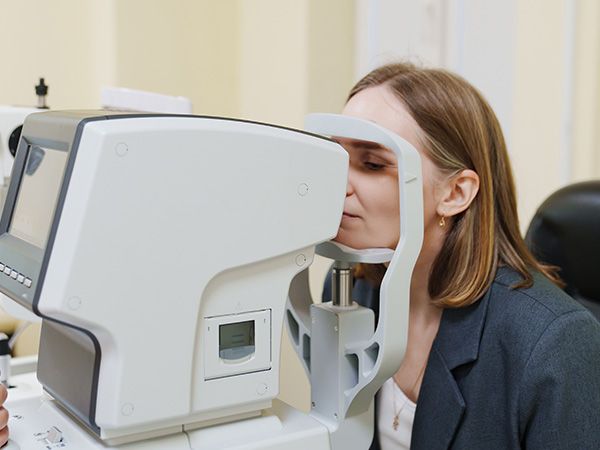
Find personalized eye care excellence with our comprehensive services. From eye exams to advanced diagnostics, trust us for all your vision needs.

Keep In Touch
For non-urgent questions or to learn more about our services, contact us today!
© 2026 Gaze Optometry. All rights Reserved - Accessibility Statement - Privacy Policy - Sitemap
Managed and Designed by 